Introduction
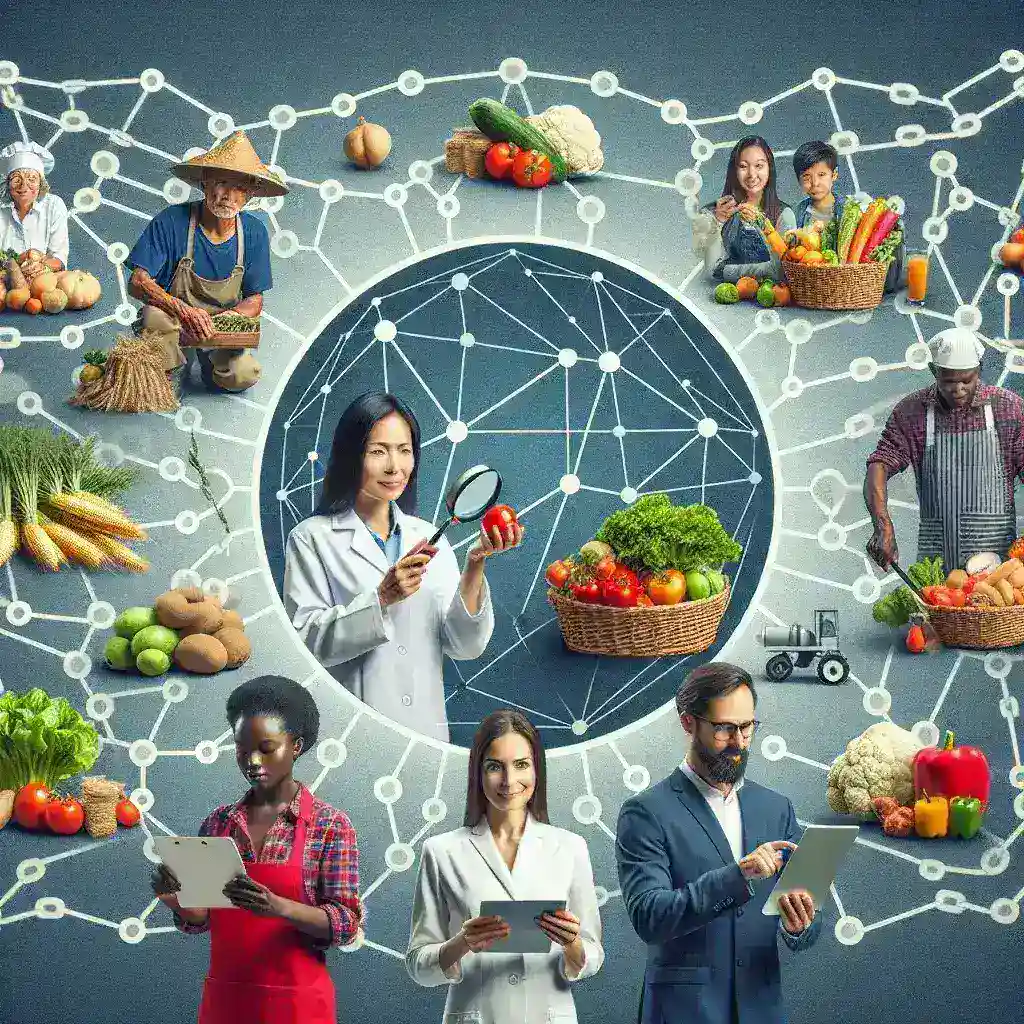
In recent years, blockchain technology has emerged as a revolutionary solution to many industry challenges, and one of the most significant areas it impacts is food safety. Food safety is paramount in preventing foodborne illnesses and ensuring that consumers receive safe products. This article delves into how blockchain enhances food safety through transparency, traceability, and accountability.
Understanding Blockchain Technology
Blockchain is a decentralized digital ledger system that records transactions across multiple computers in a way that the registered information cannot be altered retroactively. Each transaction is securely linked to the previous one, forming a chain of blocks.
Key Features of Blockchain
- Decentralization: Eliminates the need for a central authority, distributing control across a network.
- Transparency: All transactions are visible to all participants in the blockchain, which increases trust.
- Immutability: Once data is entered into the blockchain, it cannot be changed or deleted, ensuring data integrity.
Improving Food Safety with Blockchain
Implementing blockchain in the food industry provides numerous benefits that contribute directly to improved food safety.
1. Enhanced Traceability
Blockchain allows for the entire supply chain of food products to be tracked in real time. Every participant in the chain can access detailed information about a product’s journey, from farm to table. This traceability aids in quickly identifying the source of contamination in the event of a foodborne illness outbreak.
2. Increased Transparency
The transparency offered by blockchain empowers consumers with information about product origins, handling, and processing practices. Shoppers can verify the authenticity and safety of food products, which fosters consumer trust in food brands.
3. Improved Accountability
With the ability to track and timestamp transactions, blockchain creates a clear audit trail in the food supply chain. This accountability discourages unethical practices and encourages businesses to adhere to safety standards.
Case Studies of Blockchain in Food Safety
Several organizations are already leveraging blockchain technology to enhance food safety:
- IBM Food Trust: This blockchain network enables participants to share data securely, providing improved transparency and traceability across the food supply chain.
- Walmart: The retail giant uses blockchain technology to track and trace the origins of food products, significantly reducing the time to trace contaminated products.
- Chiquita: The banana company has implemented blockchain to enhance the traceability of its products, allowing customers to trace their bananas back to the farm.
Future of Blockchain in Food Safety
As food safety continues to be a critical concern, the adoption of blockchain technology is expected to grow. Future developments may include AI integration for predictive analytics in food safety and enhanced encryption for consumer data protection.
Conclusion
Blockchain technology is proving to be a transformative force in enhancing food safety standards. By promoting traceability, transparency, and accountability, blockchain offers robust solutions to one of the most pressing challenges in the food industry, ensuring that consumers can trust the food they eat.
Leave a Reply