Introduction
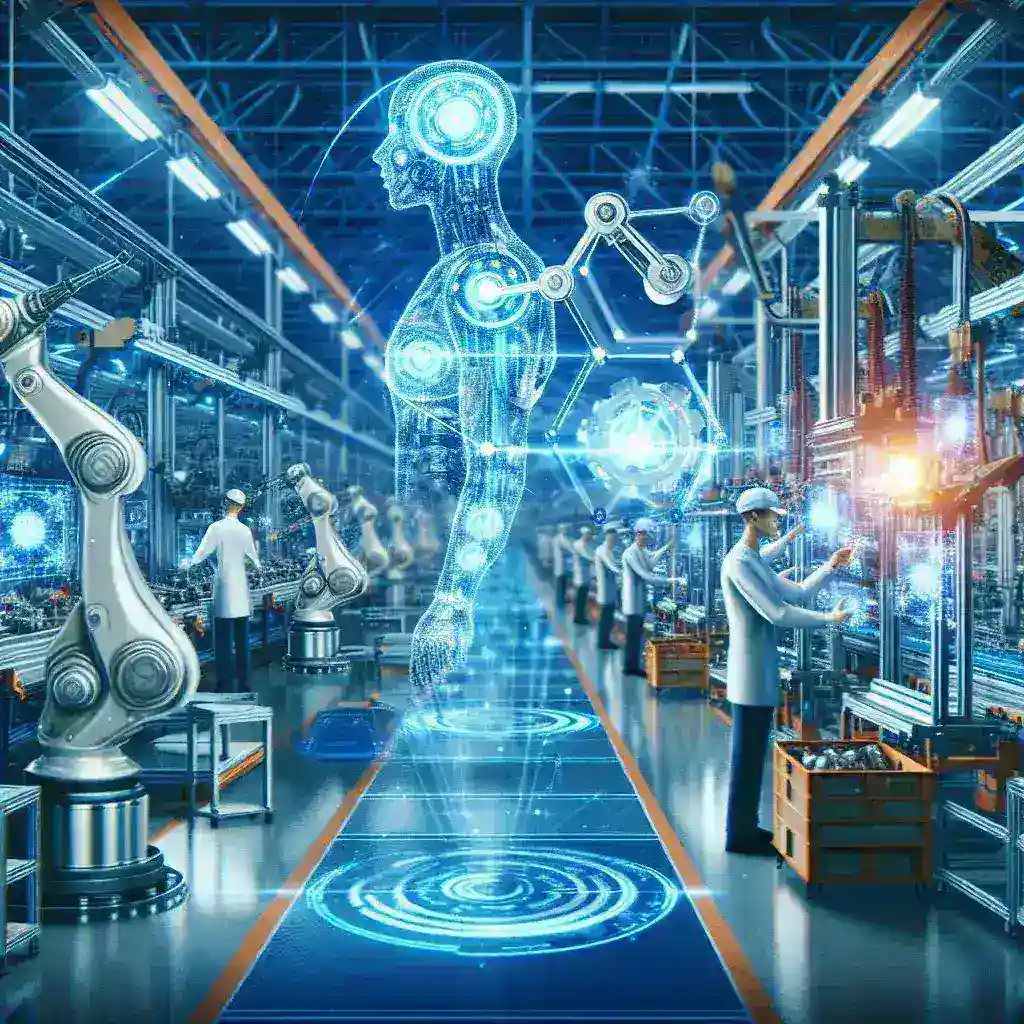
The future of artificial intelligence (AI) in manufacturing is a subject of immense interest and significance. As technology continues to evolve, AI is poised to revolutionize the manufacturing industry, offering enhanced efficiency, improved quality, and innovative solutions.
Transforming Manufacturing Processes
AI technologies are set to streamline various manufacturing processes through automation, predictive analytics, and intelligent decision-making. Here are some key areas where AI is making an impact:
- Automation: AI-driven robots and machines can handle repetitive tasks, increasing productivity while reducing human error.
- Predictive Maintenance: AI systems analyze data from machinery to predict failures before they occur, minimizing downtime and maintenance costs.
- Quality Control: AI can detect defects in products more accurately and quickly than human inspectors, ensuring higher quality standards.
Enhancing Efficiency and Productivity
By leveraging AI, manufacturers can significantly enhance their operational efficiency. AI algorithms can optimize supply chain management, reduce waste, and streamline production schedules. For instance:
- Supply Chain Optimization: AI facilitates real-time monitoring and data analysis, allowing manufacturers to adjust their supply chains dynamically.
- Energy Management: Intelligent systems can regulate energy consumption, leading to reduced costs and a smaller carbon footprint.
Innovative Product Development
AI is not only transforming existing processes but also enabling innovative product development. Generative design algorithms can create new product designs based on specified criteria, leading to innovative solutions that were previously unimaginable.
Custom Manufacturing
With AI, manufacturers can offer customized products tailored to specific customer needs. This shift towards personalized solutions is changing how businesses approach production, allowing for greater flexibility and customer satisfaction.
Workforce Transformation
While AI brings many advantages, it also necessitates a shift in workforce dynamics. Upskilling and reskilling workers will be essential as they adapt to new technologies. The focus will be on enhancing human capabilities through collaboration with AI systems.
New Job Roles
The integration of AI will likely create new job roles that require skills in AI management, data analysis, and technology oversight. Manufacturers will need to invest in training and education to prepare their workforce for future demands.
Challenges and Considerations
Despite the benefits, the adoption of AI in manufacturing does come with challenges. Concerns regarding data privacy, security, and the ethical implications of automation need to be addressed. It’s crucial for manufacturers to develop strategies to mitigate these concerns while embracing AI.
Conclusion
The future of AI in manufacturing is bright, with the potential to enhance efficiency, foster innovation, and reshape the workforce landscape. As organizations begin to adopt AI technologies, they will not only improve their production processes but also redefine their competitive edge in the market.
Leave a Reply